
Get Tree Canopy Thinning in Kansas City, MO
Tree Canopy Thinning services for Kansas City, MO and nearby areas help property owners improve safety, reduce storm damage risk, and enhance landscape aesthetics through professional pruning and thinning.
Tree canopy thinning services are often considered by property owners in Kansas City, MO to improve the overall health and longevity of their trees. By selectively removing excess branches, these services help reduce stress on the tree, which can lead to increased durability and a stronger structure. Proper thinning also enhances airflow and sunlight penetration, promoting healthier growth and decreasing the risk of disease or storm damage, thereby contributing to the safety and stability of the landscape.
In addition to health benefits, tree canopy thinning can enhance the visual appeal and functionality of outdoor spaces. It allows for better visibility and access, making yards more enjoyable and easier to maintain. Many property owners seek these services to boost curb appeal, create a more inviting environment, and reduce ongoing maintenance needs by preventing overgrown or hazardous branches. Engaging with experienced local professionals can ensure the work is performed effectively, supporting both aesthetic and practical property goals.
- Tree Canopy Thinning Services are recommended when overgrown branches pose safety risks or obstruct views in urban neighborhoods. Local professionals can assist with selective pruning to improve tree health and aesthetics in residential or commercial areas. These services are often needed after storm damage or when trees become too dense for proper air circulation. Tree canopy thinning is useful for managing tree growth near utility lines or structures in city environments. Contact local arborists to determine if canopy thinning is suitable for maintaining safety and tree vitality.
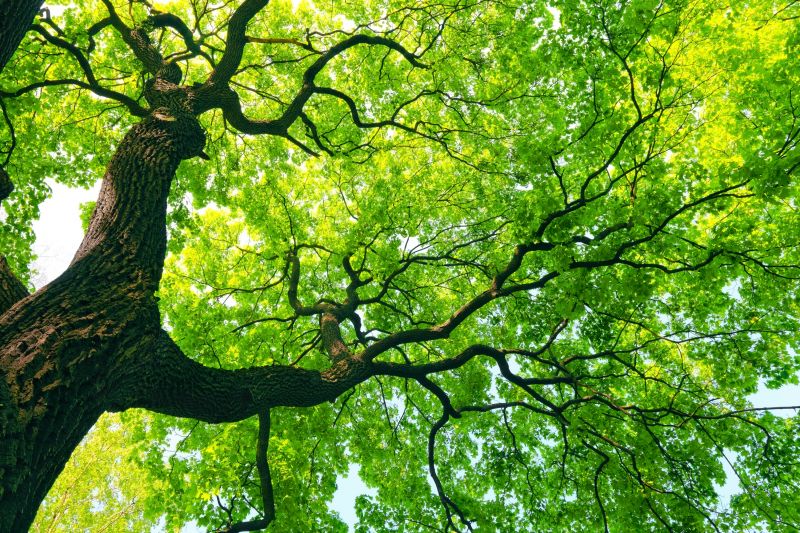
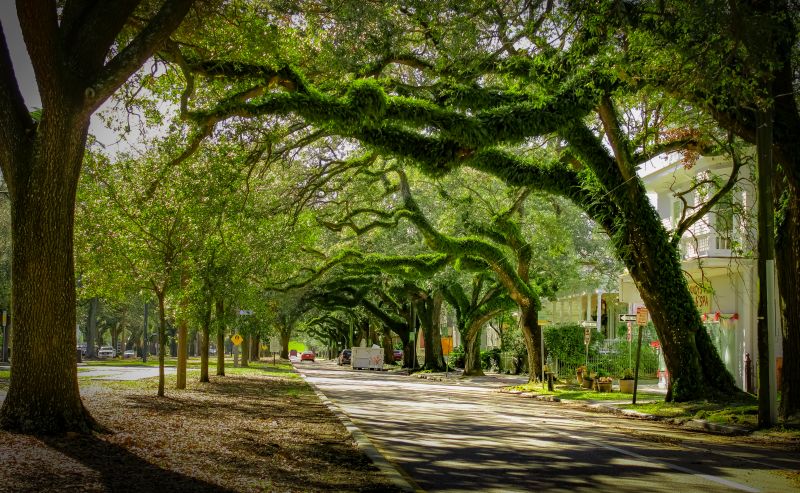
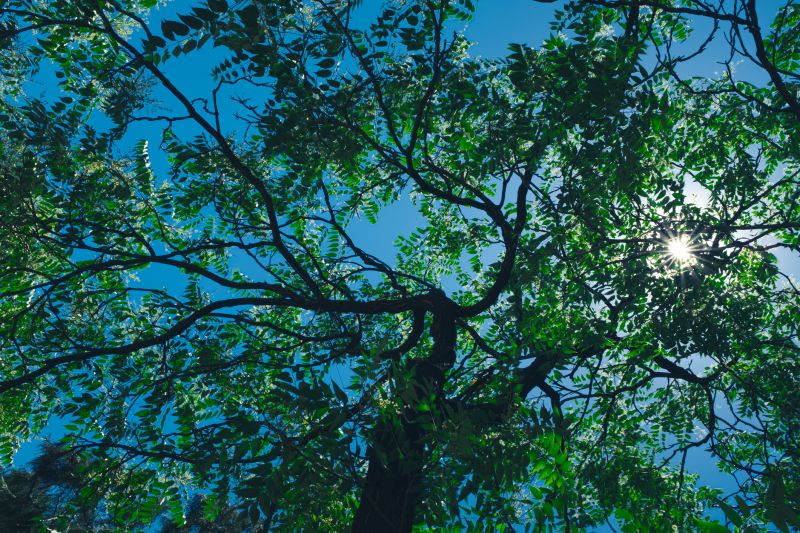
Tree canopy thinning services involve selectively reducing the density of branches and foliage in mature trees to improve overall health and safety. This process typically includes removing dead, damaged, or overcrowded branches to promote better airflow and light penetration throughout the canopy. The goal is to prevent branches from becoming too heavy or dense, which can lead to structural issues or increased risk of limb failure. Professionals performing these services assess each tree individually to determine the appropriate amount of thinning needed, ensuring that the tree’s natural shape and stability are preserved.
Addressing common problems such as overgrown or congested canopies, tree canopy thinning helps mitigate risks associated with falling branches or limbs. Dense foliage can obscure views, hinder sunlight, and create hazards in outdoor spaces. Overcrowded branches are more prone to breakage, especially during storms or high winds, which can pose safety concerns for nearby property owners and pedestrians. Thinning services help reduce these risks by removing excess foliage, thereby decreasing the likelihood of branch failure and potential property damage.
Properties that often utilize tree canopy thinning services include residential yards, commercial properties, parks, and public spaces. In residential settings, thinning can enhance visibility, improve air circulation, and reduce the risk of falling branches. Commercial properties may seek thinning to maintain safety standards and ensure unobstructed views or signage visibility. Parks and community spaces benefit from canopy management to promote healthy tree growth while minimizing hazards. These services are especially valuable in urban areas where space constraints and safety considerations are paramount.
Tree canopy thinning services are performed by trained professionals who evaluate each tree’s condition and determine the appropriate scope of work. The process involves careful pruning to remove selected branches while maintaining the tree’s natural form and health. Property owners seeking this service can contact local arborists or tree care specialists to discuss their needs and schedule assessments. Engaging experienced providers ensures that the thinning is performed safely and effectively, contributing to the long-term vitality and safety of the trees and surrounding property.
The overview below groups typical Tree Canopy Thinning projects into broad ranges so you can see how smaller, mid-sized, and larger jobs often compare in Kansas City, MO.
In many markets, a large share of routine jobs stays in the lower and middle ranges, while only a smaller percentage of projects moves into the highest bands when the work is more complex or site conditions are harder than average.
Cost Range - Tree canopy thinning services typically cost between $200 and $1,200 per project. The total price depends on the size and number of trees involved, with larger or more complex jobs costing more. For example, thinning a single mature tree may fall around $300 to $600.
Factors Affecting Cost - Expenses vary based on tree size, location, and accessibility. A small ornamental tree might cost approximately $150 to $400, while larger, hard-to-reach trees could range from $800 to $1,200 or more. Additional services like debris removal may also influence the price.
Service Frequency - Thinning is often performed as a one-time service or part of an ongoing maintenance plan. Costs for periodic thinning sessions can range from $150 to $500 each visit, depending on the scope and number of trees. Regular assessments may help maintain healthy canopy growth.
Cost Considerations - Prices may vary across local providers, with some charging flat fees and others billing hourly, typically between $50 and $150 per hour. It is advisable to contact local pros for detailed quotes tailored to specific tree conditions and site requirements.
Actual totals will depend on details like access to the work area, the scope of the project, and the materials selected, so use these as general starting points rather than exact figures.
Tree Canopy Thinning services involve reducing the density of tree foliage to improve sunlight penetration and air circulation. Local service providers can assess and perform thinning to promote healthier growth and reduce hazards.
Urban Tree Management projects often include canopy thinning to manage tree size and shape within city landscapes. Professionals can tailor thinning strategies to enhance urban aesthetics and safety.
Risk Reduction Tree Services include canopy thinning to decrease the likelihood of falling branches or tree failure. Experts can evaluate and implement thinning to mitigate potential hazards.
Tree Health Optimization involves canopy thinning to remove diseased or overcrowded branches, supporting overall tree vitality. Local arborists can provide specialized thinning to maintain healthy trees.
Storm Damage Prevention services may incorporate canopy thinning to lessen wind resistance and reduce storm-related damage. Service providers can advise on thinning practices suited to local conditions.
Landscape Enhancement projects sometimes feature canopy thinning to improve sightlines and visual appeal in residential or commercial properties. Professionals can customize thinning to meet aesthetic and functional goals.
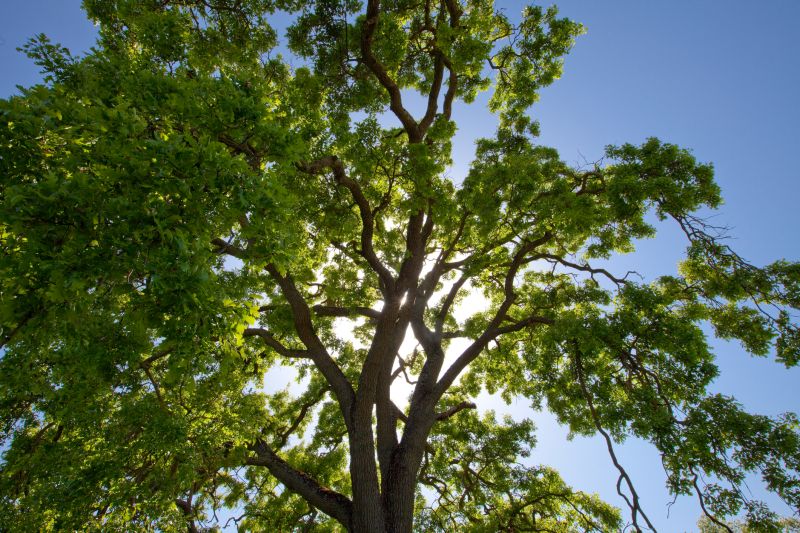
When selecting a professional for Tree Canopy Thinning services, it is important to consider their experience and track record within the local community. Homeowners should look for service providers who have a history of working on similar projects in Kansas City, MO, and nearby areas. A reputable local pro will be able to provide references or examples of past work, demonstrating their familiarity with the specific needs and conditions of the region’s trees. This experience can help ensure that the thinning process is performed safely and effectively, respecting the health of the trees while achieving the desired canopy management.
Clear communication and well-established expectations are essential when working with a tree care professional. Homeowners are encouraged to seek out providers who are transparent about their process, what the service entails, and any potential outcomes. Reputable local pros typically offer detailed explanations and are willing to answer questions, helping to foster a mutual understanding of the scope of work. Establishing written expectations early on can help prevent misunderstandings and ensure that both parties are aligned on the objectives of the canopy thinning project.
Reputation and references are key indicators of a reliable tree service provider. Homeowners might consider asking for recommendations from neighbors or checking local directories for service providers with positive feedback. A reputable local pro will often have a history of satisfied clients and a track record of completed projects in the community. Good communication, professionalism, and consistent quality of work are characteristics that can be assessed through references and reviews. By focusing on these factors, homeowners can better identify local professionals who are capable of delivering quality Tree Canopy Thinning services tailored to the specific landscape of Kansas City, MO, and surrounding areas.
Property owners in Kansas City, MO use Tree Canopy Thinning services for practical projects around their homes and businesses. The sections below highlight everyday jobs and straightforward project options.
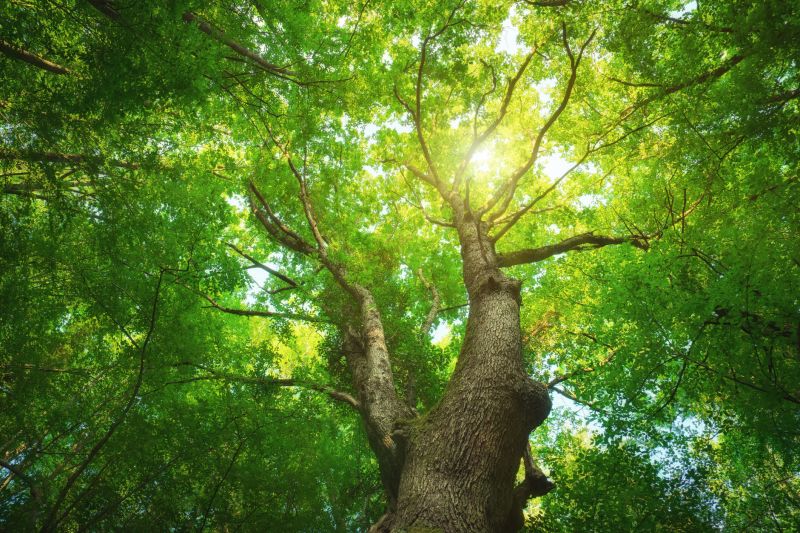
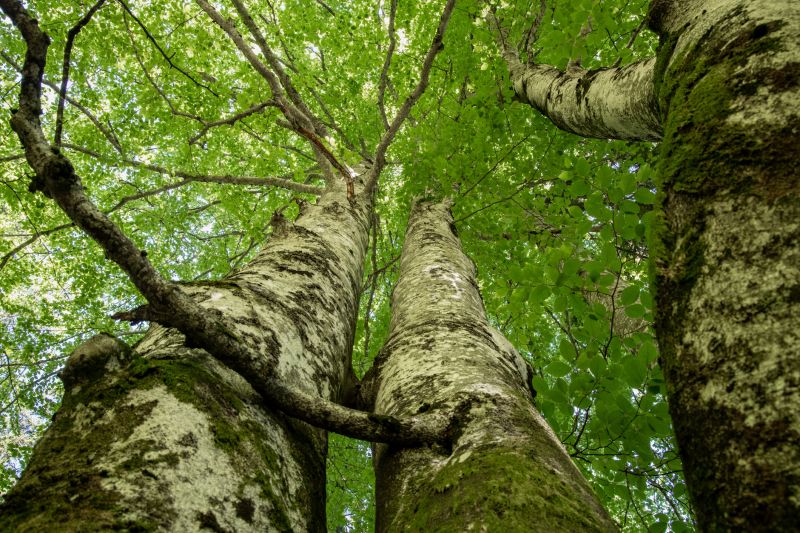
Tree canopy thinning services are often sought by property owners in Kansas City, MO to manage overgrown or dense tree branches that may interfere with structures, power lines, or obstruct views. Thinning can help improve sunlight penetration and air circulation around trees, promoting healthier growth and reducing the risk of damage during storms. Homeowners may also consider these services to prevent branches from becoming hazards that could fall and cause injury or property damage.
In addition, property owners might look for canopy thinning to enhance the overall appearance of their landscape or to comply with local regulations. Thinning can make trees look more balanced and less cluttered, which can contribute to a more attractive yard. Local professionals can assist with assessing the needs of individual trees and performing the work safely and effectively.
What is tree canopy thinning? Tree canopy thinning involves selectively reducing the density of branches and foliage to improve tree health and appearance.
Why consider tree canopy thinning? Thinning can enhance sunlight penetration, reduce wind resistance, and promote healthier growth in trees.
How do professionals perform canopy thinning? Local tree service providers use specialized techniques to carefully remove specific branches, maintaining the tree's structure and stability.
Is tree canopy thinning suitable for all trees? Not all trees require thinning; a professional assessment can determine if it is beneficial for a particular species or situation.
How can I find a local tree canopy thinning service? Contact local arborists or tree care companies to connect with experienced professionals in your area.
Tree Canopy Thinning Services - Professionals offer trimming and thinning to improve tree health and reduce overgrowth.
Selective Pruning Solutions - Local experts provide targeted pruning to enhance tree structure and promote better airflow.
Canopy Management - Service providers assist with thinning to prevent limb failure and maintain a balanced tree appearance.
Urban Tree Care - Specialists help manage dense canopies in city environments to support healthy growth and safety.
Considering Tree Canopy Thinning for a property in Kansas City, MO? The sections above highlight common project types, practical options, and details that often shape the scope of work.
When you are ready, use the quote form to share a few details about your project. Local pros can review the basics and respond with options that match what you have in mind.